Choosing the right wall covering can make a significant difference in the appearance, comfort, and functionality of your interior space. Whether you are updating your home, renovating an office, or improving a commercial property, understanding vinyl vs fabric wall coverings in Bend, OR can help you make a more informed decision. Both materials offer distinct benefits, but they differ in appearance, durability, maintenance, and ideal applications.
At Langford Installations, we understand that every space has different design and performance requirements. Knowing how vinyl and fabric wall coverings compare is a helpful first step toward choosing the right finish for your project.
What Are Vinyl Wall Coverings?
Vinyl wall coverings are decorative wall finishes made with a vinyl surface layer. They are available in various colors, patterns, and textures, making them a versatile option for residential and commercial interiors.
Common Types of Vinyl Wall Coverings
Some common options include:
- Vinyl-coated wallpaper: Features a paper or fabric base with a vinyl surface.
- Solid vinyl wall coverings: Have a thicker vinyl construction and are available in different commercial and residential grades.
- Fabric-backed vinyl: Combines a vinyl surface with a textile backing.
- Textured vinyl: Uses embossed patterns and finishes to create visual depth.
Benefits of Vinyl Wall Coverings
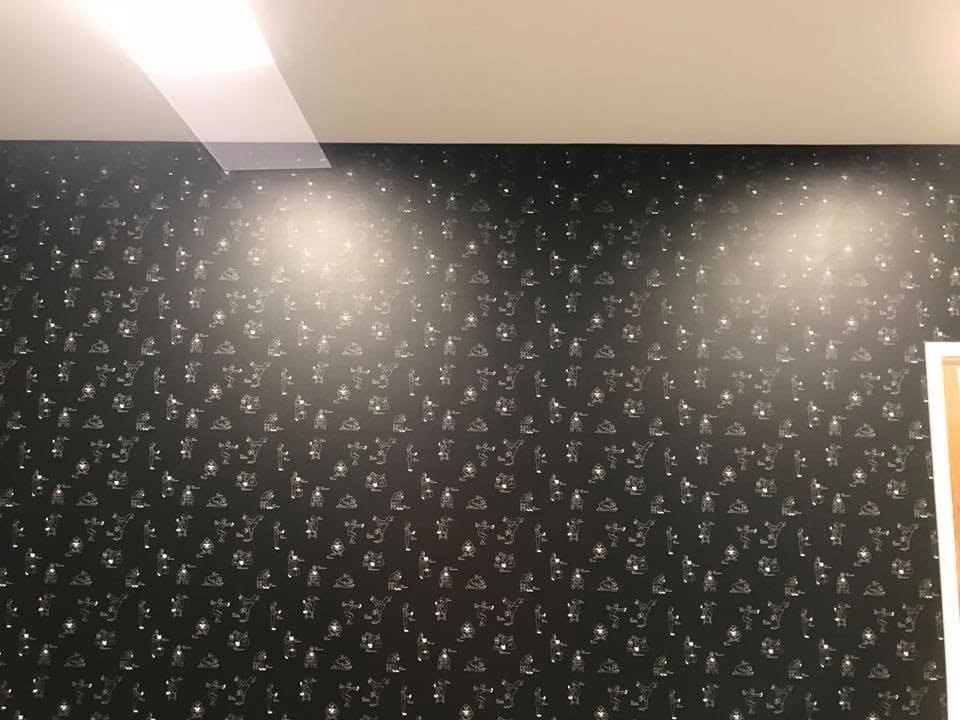
Many vinyl wall coverings are designed to handle everyday wear. Depending on the product, they may offer resistance to stains, scuffs, and moisture. Some varieties can also be cleaned with approved methods, making them practical for areas that experience frequent use.
Another advantage is design flexibility. Vinyl products can imitate natural textures, geometric patterns, and other decorative finishes. This allows property owners to achieve a particular look without sacrificing the practical features they need.
What Are Fabric Wall Coverings?
Fabric wall coverings use textile materials to create a softer, more dimensional appearance. They can add warmth and character to an interior, making them a popular choice for decorative spaces and feature walls.
Popular Fabric Wall Covering Materials
Fabric wall coverings come in several forms, including:
- Linen and cotton textiles
- Woven synthetic fabrics
- Silk and other decorative materials
- Textured and patterned textile finishes
Each material has its own appearance, texture, and care requirements. The backing and construction can also affect how a fabric wall covering performs once installed.
Benefits of Fabric Wall Coverings
Fabric wall coverings are valued for their distinctive appearance. Their woven surfaces and natural textures can create a sense of depth that is difficult to reproduce with standard paint or smooth wallpaper.
Certain textile wall coverings may also help absorb sound, depending on their construction and the room’s overall design. This can make them worth considering for selected offices, hospitality spaces, and residential interiors where atmosphere is important.
However, fabric products may require more careful handling and maintenance than some vinyl alternatives. Always review the manufacturer’s cleaning and care instructions before choosing a product.
What Is the Difference Between Vinyl and Fabric Wall Coverings?
The main difference is the surface material and the way each option looks and performs. Vinyl is often selected for its practical features and range of easy-care options, while fabric is frequently chosen for its authentic texture and decorative appeal.
| Feature | Vinyl Wall Coverings | Fabric Wall Coverings |
| Appearance | Smooth, patterned, embossed, or textured | Woven, soft, and dimensional |
| Durability | Many commercial grades offer strong wear resistance | Depends on the textile and construction |
| Cleaning | Some products are washable or scrubbable | Often requires more careful cleaning |
| Design | Wide range of colors and patterns | Distinctive textile textures and finishes |
| Common uses | Busy residential and commercial areas | Feature walls and decorative interiors |
Appearance and Design Options
Vinyl wall coverings offer considerable design flexibility. They can have smooth, glossy, matte, or embossed finishes. Some products are designed to resemble fabric, stone, or other materials.
Fabric wall coverings provide genuine textile texture. They can create a warmer, softer atmosphere and work particularly well when the goal is to make a wall a central design feature.
Durability and Everyday Wear
Durability depends on the specific product rather than the material name alone. Commercial-grade vinyl wall coverings are available in constructions designed for demanding environments. Fabric products vary considerably depending on their fibers, backing, and protective treatments.
Consider how much traffic the room receives and whether the walls are likely to experience frequent contact, scuffing, or spills.
Cleaning and Maintenance
Some vinyl wall coverings can be cleaned with approved cleaning products and methods. Others require gentler care. Fabric wall coverings may need specialized cleaning to protect their fibers and appearance.
Before purchasing either material, check the manufacturer’s maintenance instructions to make sure they suit your space and daily routine.
Which Wall Covering Is Best for Different Spaces in Bend, OR?
The right choice depends on how a room is used, the appearance you want, and the maintenance you can accommodate.
Best Wall Coverings for Homes
For bedrooms, formal living rooms, and decorative feature walls, fabric wall coverings can add texture and visual interest. Vinyl may be a practical option for hallways, family rooms, and other frequently used areas, particularly when the selected product has suitable cleaning and durability ratings.
Best Wall Coverings for Commercial Properties
Offices, retail stores, hotels, and reception areas often have different performance requirements. Commercial-grade vinyl may be worth considering in high-traffic areas where maintenance and wear resistance are priorities.
Fabric wall coverings can work well in selected hospitality spaces, meeting rooms, and feature areas where texture and atmosphere are important.
Considerations for Central Oregon Properties
When selecting wall coverings in Bend and surrounding Central Oregon communities, consider the room’s function, wall condition, indoor environment, and cleaning requirements. The best material is one that meets the property’s practical needs while supporting its overall design.
How Much Do Vinyl and Fabric Wall Coverings Cost?
The cost of vinyl and fabric wall coverings varies by product and project. Material quality, design complexity, and installation requirements can all influence the final price.
Factors That Affect Material and Installation Costs
Important considerations include:
- Material type, quality, and product grade
- Room dimensions and the amount of material required
- Pattern matching and design complexity
- Wall preparation and surface condition
- Removal of existing wall coverings, if needed
- Installation time and project complexity
Is Vinyl or Fabric More Cost-Effective?
Vinyl may be a cost-effective choice for some projects, particularly when a suitable product offers practical maintenance features. Fabric may be worth the investment when its distinctive appearance is a priority. Comparing material costs alongside installation and long-term care can help you evaluate the overall value.
Why Hire a Professional Wall Covering Installer?
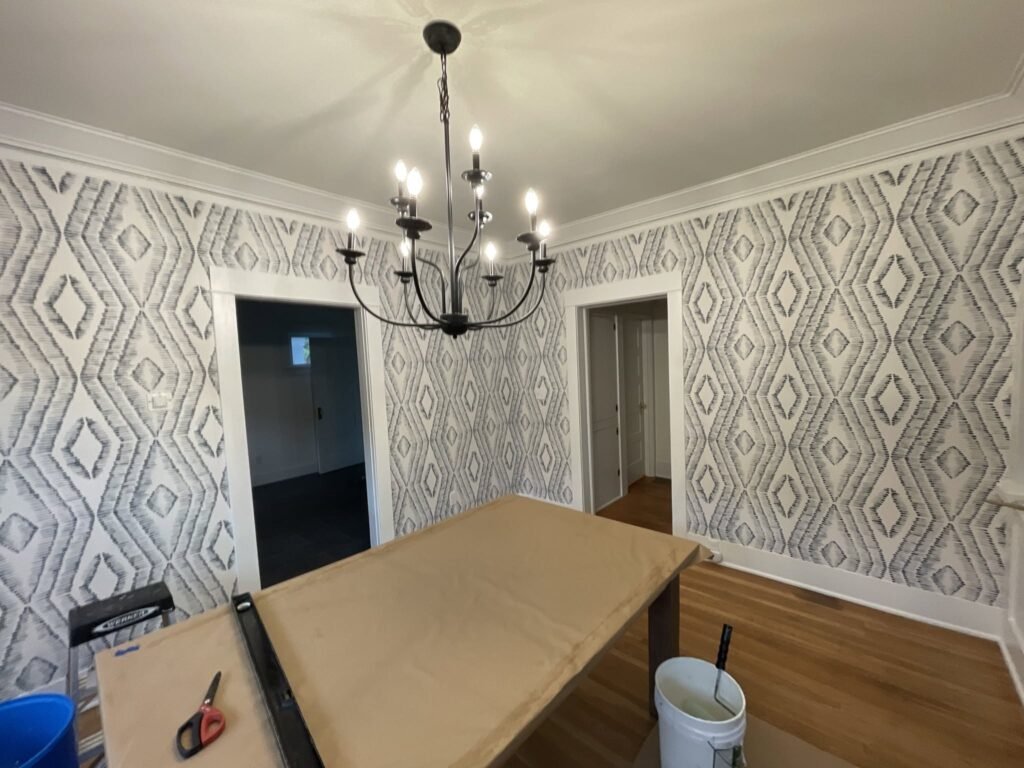
Even a high-quality wall covering needs proper installation to achieve a polished result. Surface preparation, accurate measurements, careful cutting, adhesive selection, and pattern alignment all contribute to the finished appearance.
Proper Wall Preparation and Material Handling
Different materials have different installation requirements. A professional installer can assess the wall surface and follow the product’s specifications to help achieve a consistent finish.
Professional Results for Residential and Commercial Spaces
Langford Installations provides professional wall covering installation for residential and commercial properties in Bend and throughout Central Oregon. Careful workmanship can help your selected wall covering look its best and provide lasting results.
Frequently Asked Questions About Vinyl and Fabric Wall Coverings
Is Vinyl Wall Covering Better Than Fabric?
Neither is automatically better. Vinyl may suit spaces where durability and easier maintenance are priorities, while fabric can be a strong choice for decorative interiors where texture and appearance matter most.
Are Fabric Wall Coverings Difficult to Clean?
Some fabric wall coverings require specialized or gentle cleaning. Maintenance depends on the textile, backing, and manufacturer’s care instructions.
Are Vinyl Wall Coverings Suitable for Commercial Spaces?
Yes. Certain commercial-grade vinyl products are designed for busy environments. Check the product’s performance specifications to make sure it is appropriate for the intended space.
Can Vinyl Wall Coverings Look Like Fabric?
Yes. Some vinyl products feature embossed or textured finishes that imitate woven textiles and other decorative surfaces.
Can You Install Vinyl or Fabric Wall Coverings Over Existing Wallpaper?
It depends on the existing wallpaper, wall condition, adhesion, and the requirements of the new material. The surface should be assessed before installation.
Choose the Right Wall Covering with Langford Installations
Vinyl and fabric wall coverings each offer useful advantages. The right option depends on your design preferences, the room’s purpose, and the level of maintenance you expect. If you are planning a residential or commercial wall covering project in Bend, OR, Langford Installations can help with professional installation.
Contact Langford Installations to discuss your project and request a quote.
- Phone: (949) 378-2700
- Email: langfordinstallations@gmail.com
- Address: 55897 Snow Goose Rd, Bend, OR 97707
- Business hours: Monday to Friday, 7:00 AM to 7:00 PM, with weekends by appointment only.
- Langford Installations on Google Maps